




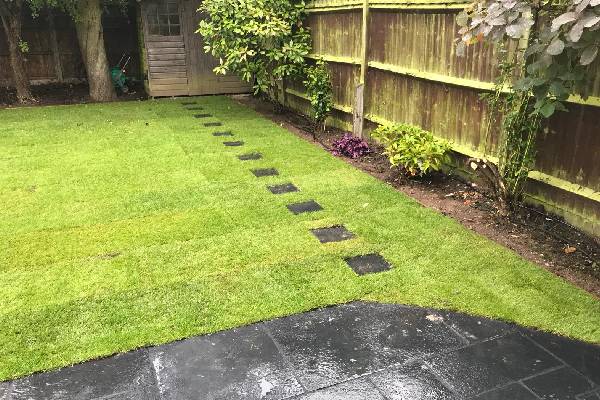
If you are searching for landscaping London, you are probably looking for more than a quick garden tidy-up. Maybe your patio is uneven, your lawn is always muddy, your fencing looks tired, or your garden simply does not suit the way you live now.
In London, good landscaping has to do two jobs at once. It must look attractive, but it also needs to handle real city-garden challenges: tight access, shaded corners, drainage problems, small plots, overlooked boundaries and heavy everyday use.
That is why the best garden landscaping is not just about choosing nice paving or planting a few shrubs. It is about designing the whole space properly, from the groundwork and drainage to the patio, pathways, fencing, decking and planting.
This guide explains what London homeowners should consider before starting a landscaping project, what a good contractor should include, and how to make your garden easier to use in every season.
TL;DR
Good landscaping in London should be practical, attractive and built to last.
Before starting, think about:
- how you want to use the garden
- where water goes after rain
- whether you need a patio, path, decking or lawn
- how much privacy you need
- whether fencing, walls or raised beds are part of the design
- how easy the garden will be to maintain
- whether the contractor understands local London homes and access issues
Stonecraft Landscapes is based in Mill Hill, North London and works across North London, North West London and Middlesex. Their services include landscaping and decking, patios, driveways, fencing and walls and drainage and features.
Why landscaping in London needs careful planning
London gardens are often compact, but that does not mean they are simple. In fact, smaller gardens need better planning because every metre matters.
A typical London garden might have:
- a small patio near the back door
- a narrow side return
- fencing on both sides
- a shaded back corner
- poor drainage after rain
- limited access for machinery and materials
- neighbours overlooking the seating area
That is why landscaping should start with a practical site check, not a catalogue of materials.
A good landscaping contractor should ask questions like:
- Where does the sun hit the garden?
- Where does water sit after rain?
- Do you want a low-maintenance garden?
- Is the space for children, pets, entertaining or quiet relaxation?
- Do you need privacy from neighbouring windows?
- Can materials be brought through a side gate, or through the house?
These questions may sound basic, but they decide whether the finished garden works in real life.
London weather: drainage is not optional
London may not be the wettest part of the UK, but outdoor surfaces still need to cope with regular rain. The Met Office long-term data for Heathrow shows more than 100 days per year with at least 1mm of rainfall. That means patios, paths, lawns and decking all need proper water management.
Poor drainage can lead to:
- slippery paving
- waterlogged lawns
- moss and algae growth
- rotten timber structures
- muddy borders
- puddles near the house
- unstable paving or sunken areas
For front gardens and hardstanding, official guidance also matters. Planning Portal explains that permeable or porous surfacing can help avoid planning issues for front driveways, while impermeable surfaces over 5 square metres may need permission if water cannot drain to a permeable area.
GOV.UK also explains how permeable surfaces, soakaways and rain gardens can reduce rainfall run-off from paved areas.
For homeowners, the practical message is simple: if you are investing in landscaping, ask your contractor where the water will go.
What does landscaping include?
Landscaping is a broad term. It usually combines hard landscaping and soft landscaping.
Hard landscaping
This includes the built parts of the garden:
- patios
- paving
- paths
- steps
- decking
- retaining walls
- brickwork
- raised beds
- fencing
- gates
- drainage channels
- water features
Hard landscaping gives the garden structure and makes it usable.
Soft landscaping
This includes the living parts:
- turf
- plants
- shrubs
- trees
- hedging
- flower beds
- soil preparation
Soft landscaping brings colour, texture and life into the space.
The best London gardens usually combine both. A patio alone can feel hard and plain. A planted garden without structure can be muddy and difficult to use. Together, they create an outdoor space that looks good and functions properly.
Practical landscaping ideas for London homes
1. Create a proper patio for daily use
A patio is often the main “outdoor room” in a London garden. It might be used for morning coffee, family meals, barbecues, or simply stepping outside without walking onto wet grass.
Stonecraft Landscapes offers patio options including concrete patios, natural stone patios, brick patios, paved patios, wooden decking patios and gravel patios. Their patio service also includes planning, different styles and colours, lighting, foundations, repairs and maintenance.
For a London home, the most important patio decisions are:
- the size of the seating area
- the paving material
- the drainage fall
- the connection to the back door
- whether steps or ramps are needed
- how the patio links to the rest of the garden
A patio that is too small will always feel awkward. A patio without proper drainage will always become frustrating.
2. Add paths that make the garden easier to use
Paths are often forgotten, but they make a huge difference. A good path can connect the house to the shed, side gate, bins, garden office or rear seating area.
For London homes, paths should be:
- wide enough for everyday use
- safe underfoot in wet weather
- properly edged
- built on a stable base
- designed with drainage in mind
A simple path can stop the lawn turning muddy and make the garden easier to use in winter.
3. Use decking where levels are awkward
Decking can work well where a garden is sloped or where you want to create a raised seating area without major excavation.
Stonecraft Landscapes installs timber decking and works with softwood, hardwood and composite-style options. Decking can be used to create a seating area, make use of an awkward corner, or form a level platform in a garden with uneven ground.
However, decking still needs proper planning. The frame should allow airflow, the boards should be suitable for outdoor use, and the design should consider damp, shade and maintenance.
4. Improve privacy with fencing, walls and planting
Privacy is one of the biggest landscaping goals in London. Terraced and semi-detached homes are often overlooked, and many gardens sit close to neighbouring windows.
Privacy can be improved with:
- closeboard fencing
- slatted screens
- trellis
- climbing plants
- garden walls
- raised beds with taller planting
- carefully positioned seating areas
Stonecraft Landscapes provides fencing and wall services, including wooden fencing, repair fencing, brick walls, stone walls, concrete walls, dividing walls, pointing and refurbishment.
The key is not always to build the highest fence possible. Sometimes a mix of fencing, planting and layout changes gives better privacy while still keeping the garden light and welcoming.
5. Use planting to soften hard landscaping
Hard landscaping gives structure, but planting gives the garden character. Even a small London garden can feel calm and welcoming with the right plants.
The RHS notes that small gardens can still be full of ideas, and features like raised beds, evergreens, climbers and quiet corners can make compact gardens feel more personal and usable.
A practical London planting plan might include:
- evergreen shrubs for year-round structure
- climbers for fences and screens
- raised beds for tidy planting
- grasses for movement
- pots near patios
- a small tree for height and privacy
If you want low maintenance, choose fewer plant varieties and repeat them. This often looks more polished and is easier to care for.
Practical landscaping ideas for London homes
1. Create a proper patio for daily use
A patio is often the main “outdoor room” in a London garden. It might be used for morning coffee, family meals, barbecues, or simply stepping outside without walking onto wet grass.
Stonecraft Landscapes offers patio options including concrete patios, natural stone patios, brick patios, paved patios, wooden decking patios and gravel patios. Their patio service also includes planning, different styles and colours, lighting, foundations, repairs and maintenance.
For a London home, the most important patio decisions are:
- the size of the seating area
- the paving material
- the drainage fall
- the connection to the back door
- whether steps or ramps are needed
- how the patio links to the rest of the garden
A patio that is too small will always feel awkward. A patio without proper drainage will always become frustrating.
2. Add paths that make the garden easier to use
Paths are often forgotten, but they make a huge difference. A good path can connect the house to the shed, side gate, bins, garden office or rear seating area.
For London homes, paths should be:
- wide enough for everyday use
- safe underfoot in wet weather
- properly edged
- built on a stable base
- designed with drainage in mind
A simple path can stop the lawn turning muddy and make the garden easier to use in winter.
3. Use decking where levels are awkward
Decking can work well where a garden is sloped or where you want to create a raised seating area without major excavation.
Stonecraft Landscapes installs timber decking and works with softwood, hardwood and composite-style options. Decking can be used to create a seating area, make use of an awkward corner, or form a level platform in a garden with uneven ground.
However, decking still needs proper planning. The frame should allow airflow, the boards should be suitable for outdoor use, and the design should consider damp, shade and maintenance.
4. Improve privacy with fencing, walls and planting
Privacy is one of the biggest landscaping goals in London. Terraced and semi-detached homes are often overlooked, and many gardens sit close to neighbouring windows.
Privacy can be improved with:
- closeboard fencing
- slatted screens
- trellis
- climbing plants
- garden walls
- raised beds with taller planting
- carefully positioned seating areas
Stonecraft Landscapes provides fencing and wall services, including wooden fencing, repair fencing, brick walls, stone walls, concrete walls, dividing walls, pointing and refurbishment.
The key is not always to build the highest fence possible. Sometimes a mix of fencing, planting and layout changes gives better privacy while still keeping the garden light and welcoming.
5. Use planting to soften hard landscaping
Hard landscaping gives structure, but planting gives the garden character. Even a small London garden can feel calm and welcoming with the right plants.
The RHS notes that small gardens can still be full of ideas, and features like raised beds, evergreens, climbers and quiet corners can make compact gardens feel more personal and usable.
A practical London planting plan might include:
- evergreen shrubs for year-round structure
- climbers for fences and screens
- raised beds for tidy planting
- grasses for movement
- pots near patios
- a small tree for height and privacy
If you want low maintenance, choose fewer plant varieties and repeat them. This often looks more polished and is easier to care for.
Quote-style section: what good landscaping should achieve
“A well-landscaped garden should not just look finished on the day the work is completed. It should still feel practical after heavy rain, easy to maintain after a busy month, and comfortable to use in winter as well as summer.”
That is a useful way to think about landscaping. The best garden is not always the most complicated design. It is the one that fits your home, your routine and your budget.
Trust signals: what to look for in a London landscaping company
Before hiring a contractor, check the trust signals carefully.
Stonecraft Landscapes states that it is a family-run business based in Mill Hill with over 18 years of experience in landscaping and paving. The company also states that it provides full project planning and management, free home consultations, no payment until completion, and insured and guaranteed work.
Those details matter because landscaping is a significant home improvement. You want a contractor who is clear, organised and accountable.
TrustMark advises homeowners to use written contracts, check references, avoid choosing purely on the cheapest price, and only pay for work that has been done rather than relying on large advance payments.
When comparing landscaping companies, ask:
- Are they local to your area?
- Can they show similar work?
- Is the quote written and detailed?
- Is waste removal included?
- Is the work insured and guaranteed?
- Do they explain the process clearly?
- Do they discuss drainage and groundwork?
- Are payment terms clear?
If a contractor avoids these questions, that is a warning sign.
Common landscaping mistakes to avoid
Choosing looks before function
A garden can look beautiful in photos but still be impractical. Always plan use, access and drainage first.
Making the patio too small
Once you add a table, chairs, barbecue and planters, a small patio can feel cramped. Measure furniture before deciding the size.
Ignoring shade
Some London gardens are shaded for much of the day. Choose surfaces and plants that suit the conditions.
Forgetting storage
Bins, bikes, tools and garden furniture all need a place. Build storage into the design early.
Not planning water flow
If water sits in one place after rain, it will eventually affect paving, lawns and timber.
Why Stonecraft Landscapes is a strong local option
Stonecraft Landscapes works across North London, North West London and Middlesex, including many London postcodes and local areas such as Mill Hill, Finchley, Hendon, Hampstead, Harrow, Edgware, Stanmore, Ruislip and surrounding locations.
The benefit of using one team for a complete landscaping project is that the garden can be planned as a whole. For example:
- a patio can connect properly to a path
- fencing can match the garden layout
- drainage can be included before paving goes down
- decking can be positioned where it makes sense
- planting can soften the hard landscaping
For homeowners, this usually creates a more finished result than hiring separate trades who only focus on one part of the garden.
To discuss a project, visit the Stonecraft Landscapes contact page.
FAQs about landscaping London
What is included in garden landscaping?
Garden landscaping can include patios, paving, pathways, decking, fencing, walls, turfing, planting, drainage, raised beds, lighting and water features. The exact mix depends on your garden and how you want to use it.
How do I choose the right landscaping company in London?
Choose a company with local experience, a clear written quote, insurance, guarantees, examples of previous work and a proper process. They should talk about drainage, access, groundwork and maintenance — not just the final look.
Is drainage important for London gardens?
Yes. Drainage is one of the most important parts of landscaping in London. Poor drainage can cause slippery paving, waterlogged lawns, algae, moss and damage to timber or paved surfaces.
Is a patio or decking better for a London garden?
A patio is often better for low-maintenance outdoor dining and heavy use. Decking can be better for awkward levels, raised seating areas or uneven gardens. The best choice depends on drainage, shade, budget and how you use the space.
Can landscaping make a small garden feel bigger?
Yes. Zoning, built-in seating, vertical planting, light-coloured paving, raised beds and clever paths can make a small garden feel more spacious and organised.
Does Stonecraft Landscapes cover my area?
Stonecraft Landscapes is based in Mill Hill and provides landscaping, patios, driveways, fencing, walls, decking and drainage services across North London, North West London and Middlesex.