




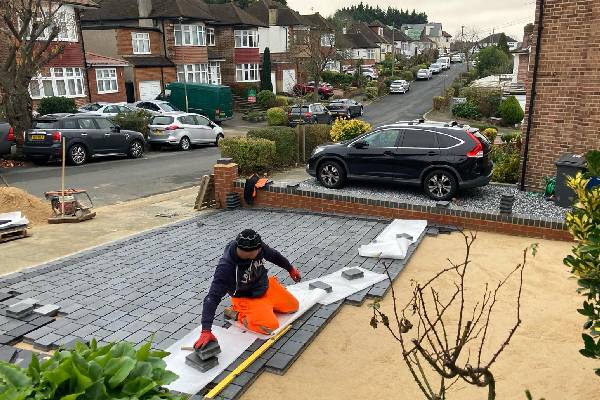
If your garden feels unused, messy, difficult to maintain or simply outdated, you are not alone. Many homeowners searching for garden makeovers North London are not looking for a show garden. They want something much more practical: a garden that looks good, drains properly, gives privacy, and works for everyday life.
In North London, garden makeovers often come with familiar challenges. Terraced and semi-detached homes may have narrow access, shaded corners, old fencing, uneven patios, poor drainage, tired lawns and limited storage. A good garden makeover should solve these problems, not just cover them up with new paving or turf.
This guide explains how to plan a garden makeover properly, what to include, what mistakes to avoid, and how a local landscaping team can help create an outdoor space that feels easier to use all year round.
TL;DR
A successful North London garden makeover should improve the way your garden works, not just the way it looks.
Focus on:
- drainage and levels first
- patio or decking areas that suit real use
- safe, practical paths
- fencing and screening for privacy
- low-maintenance planting
- storage for bins, bikes and tools
- materials that suit London weather
- clear quotes and proper groundwork
Stonecraft Landscapes is based in Mill Hill and provides garden landscaping, patios, decking, fencing, walls, driveways and drainage services across North London, North West London and Middlesex.
What is a garden makeover?
A garden makeover is more than cutting back shrubs or replacing a few plants. It usually means redesigning or improving the outdoor space so it becomes more useful, attractive and easier to maintain.
A garden makeover can include:
- replacing an old patio
- adding new paving or pathways
- installing decking
- improving fencing or privacy
- adding raised beds
- improving drainage
- replacing a muddy lawn
- adding artificial grass or turf
- building steps or retaining walls
- creating seating areas
- planting shrubs, trees and borders
- improving the front garden or driveway area
The best garden makeovers start with a simple question: what do you need the garden to do?
For example, one homeowner may need a child-friendly garden with secure fencing and soft planting. Another may want a low-maintenance patio garden for entertaining. Another may need better drainage because the lawn stays wet all winter.
Why North London gardens need a practical approach
North London gardens are often full of character, but they can also be awkward to work with.
Common problems include:
- narrow side access
- old concrete or uneven paving
- shaded areas where moss grows
- fencing that has become weak or leaning
- poor drainage after heavy rain
- small patios that are too cramped for furniture
- lawns that become muddy in winter
- privacy issues from neighbouring windows
- limited space for storage
A good landscaping team should check these issues during the first survey. It is not enough to ask what colour slabs you like. The contractor should understand the levels, access, water flow and how the space will be used.
That is what separates a proper garden makeover from a quick cosmetic tidy-up.
Step 1: Decide how you want to use the garden
Before choosing materials, think about your lifestyle.
Ask yourself:
- Do you want a dining area?
- Do children or pets use the garden?
- Do you want low maintenance?
- Do you need more privacy?
- Do you need a clear path to a shed or side gate?
- Do you want planting, or mostly hard landscaping?
- Do you use the garden in winter?
- Do you need better storage?
A family garden, a rental property garden and a quiet adult seating garden all need different layouts.
For example, if you host guests often, the patio should be large enough for a proper table and chairs. If the garden is mainly for children, you may want secure fencing, safer level changes and a more open central space. If you want low maintenance, you may prefer porcelain paving, composite decking, raised beds and evergreen planting.
Step 2: Fix drainage before choosing finishes
Drainage should never be an afterthought. If your garden already has puddles, slippery paving, waterlogged grass or mossy corners, new materials alone will not fix the issue.
Poor drainage can cause:
- loose paving
- algae and slippery surfaces
- damaged timber decking
- muddy lawns
- plants failing in wet soil
- water sitting too close to the house
GOV.UK explains that permeable surfaces, soakaways and rain gardens can help control and reduce rainfall run-off from paved areas.
External reference:
https://www.gov.uk/government/publications/permeable-surfacing-of-front-gardens-guidance
For front gardens and driveway areas, Planning Portal also explains that permeable or porous surfacing is important when creating or replacing hardstanding.
External reference:
https://www.planningportal.co.uk/permission/common-projects/paving-your-front-garden/planning-permission
Even if you are only improving a back garden, the same thinking helps. Water needs somewhere safe to go.
Step 3: Choose the right patio or decking area
Most garden makeovers include a main seating area. This is usually a patio, decking area or a mix of both.
Patio
A patio is often best if you want:
- a durable dining area
- low-maintenance outdoor flooring
- a surface for heavy furniture
- a clean link from the house to the garden
- easy access for barbecues and planters
Stonecraft Landscapes offers patio services including paved patios, concrete patios, brick patios, natural stone patios, gravel patios and wooden decking-style patio options.
Decking
Decking can work well if:
- the garden has awkward levels
- you want a raised seating area
- you want a warmer feel underfoot
- you need to reduce excavation in certain areas
Planning Portal notes that decking is usually permitted development if it is no more than 30cm above ground and, together with other extensions or outbuildings, does not cover more than 50% of the garden.
External reference:
https://www.planningportal.co.uk/permission/common-projects/decking/
A good contractor should advise whether patio, decking or both suits your garden best.
Step 4: Improve privacy without blocking all the light
Privacy is one of the biggest reasons people invest in garden makeovers in North London.
Options include:
- new closeboard fencing
- slatted screens
- trellis
- climbing plants
- raised beds with taller planting
- pergolas
- low walls with planting above
- seating positioned away from overlooked areas
The RHS suggests that small trees, climbers and bamboo-style screening can create living green screens, while fencing, trellis and pergolas are useful for privacy in urban gardens.
External reference:
https://www.rhs.org.uk/garden-inspiration/garden-types/urban-garden
The best privacy design is usually layered. A tall fence alone can feel hard and boxed in. A mix of fencing, planting and layout changes usually feels softer.
Step 5: Use paths to make the garden work
Paths are not just decorative. They make the garden easier to use in wet weather and help guide movement through the space.
A path may connect:
- the house to the shed
- the patio to the back gate
- the driveway to the side access
- seating areas to planting zones
- bins or bikes to the front
Good paths should be properly based, edged and finished with safe materials. If a path is too narrow, badly drained or poorly levelled, it can quickly become frustrating.
For North London gardens, simple is often best. Straight or slightly offset paths can make a narrow garden feel organised without making it look busy.
Step 6: Keep planting simple and structured
A garden makeover should not create a maintenance problem. If you do not enjoy gardening every weekend, choose planting that is manageable.
Good low-maintenance planting ideas include:
- evergreen shrubs
- ornamental grasses
- climbers on trellis
- raised beds
- small trees for structure
- hardy perennials
- pots near the patio
The RHS notes that using different heights can make plants stand out in small spaces and make better use of limited room.
External reference:
https://www.rhs.org.uk/garden-design/design-with-plants/planting-design-for-small-spaces
In a small garden, repetition works well. Three or four strong plant choices repeated along the space often look better than too many different plants.
what a good garden makeover should achieve
“A good garden makeover should make the space easier to live with. The patio should be the right size, the fencing should improve privacy, the drainage should work quietly in the background, and the planting should soften the space without creating too much maintenance.”
This is the right mindset. A garden makeover should not be only about making the garden look finished for a photo. It should work for real life.
Why Stonecraft Landscapes is a strong fit for North London garden makeovers
Stonecraft Landscapes is based in Mill Hill, North London and has over 18 years of experience in landscaping and paving.
The company provides:
- landscaping and decking
- patios and pathways
- driveways
- fencing, railings and gates
- brickwork
- hard and soft landscaping
- shrubbery
- water features
- drainage
Because these services are connected, Stonecraft can look at the whole garden rather than only one part of it. For example, if you want a new patio, the team can also consider drainage, edging, steps, fencing and planting. If you want a garden redesign, they can advise on decking, privacy, pathways and practical use.
Stonecraft also states that it offers free home consultations, full project planning and management, insured and guaranteed work, and no payment until completion.
To discuss your garden makeover, visit:
https://stonecraftlandscapes.com/contact-us/
Common garden makeover mistakes to avoid
Making the patio too small
Measure your furniture before deciding the patio size. A table and chairs need more space than most people expect.
Ignoring drainage
If water sits now, it will still sit later unless the cause is fixed.
Choosing too many materials
Small gardens usually look better with fewer finishes. Too many colours and textures can make the space feel smaller.
Forgetting storage
Bins, bikes, cushions, tools and children’s toys all need a place.
Choosing plants without thinking about shade
Many North London gardens have shaded sections. Choose plants that suit the light levels.
Comparing quotes only by price
A cheap quote may leave out groundwork, waste removal, drainage, edging or finishing details.
FAQs
How much does a garden makeover cost in North London?
The cost depends on size, access, materials, drainage, waste removal and the amount of hard landscaping. A simple tidy-up will cost far less than a full redesign with patios, fencing, decking and drainage. Always ask for a clear written quote.
What should be included in a garden makeover?
It may include patios, paths, decking, fencing, walls, raised beds, turfing, planting, drainage, lighting and water features. The best design depends on how you want to use the garden.
Is patio or decking better for a garden makeover?
A patio is usually better for low-maintenance dining and heavy furniture. Decking can be better for awkward levels or raised seating areas. Many gardens use both.
How can I make a small North London garden feel bigger?
Use zones, vertical planting, light-coloured paving, raised beds, a clear path and one strong focal point. Avoid clutter and too many different materials.
Do I need planning permission for a garden makeover?
Most back garden landscaping does not need planning permission. Checks may be needed for raised decking, high boundaries, listed properties, conservation areas or front garden hardstanding.
Does Stonecraft Landscapes cover North London?
Yes. Stonecraft Landscapes is based in Mill Hill and works across North London, North West London and Middlesex.